


Accelerating the physical sciences from data to breakthroughs.
The physical sciences – semiconductors, batteries, advanced materials, specialty chemicals – underpin the most economically consequential industries in the world. They are also among the least well-served by modern software and AI. The data these industries generate is extraordinary in volume and value: sensor and instrument time series, wafer maps, inspection images, experimental records built up over decades. But it lives in fragments across legacy systems, spreadsheets, and domain-specific tools that were never designed to work together. The scientists and engineers who need that data most are still spending weeks doing by hand what should take minutes.
This is not a new frustration. It has persisted because the data is genuinely hard to work with: multimodal, domain-specific, and scattered across environments that predate modern software infrastructure by decades. General-purpose AI does not solve it. What is needed is infrastructure built specifically for this problem, from the ground up.
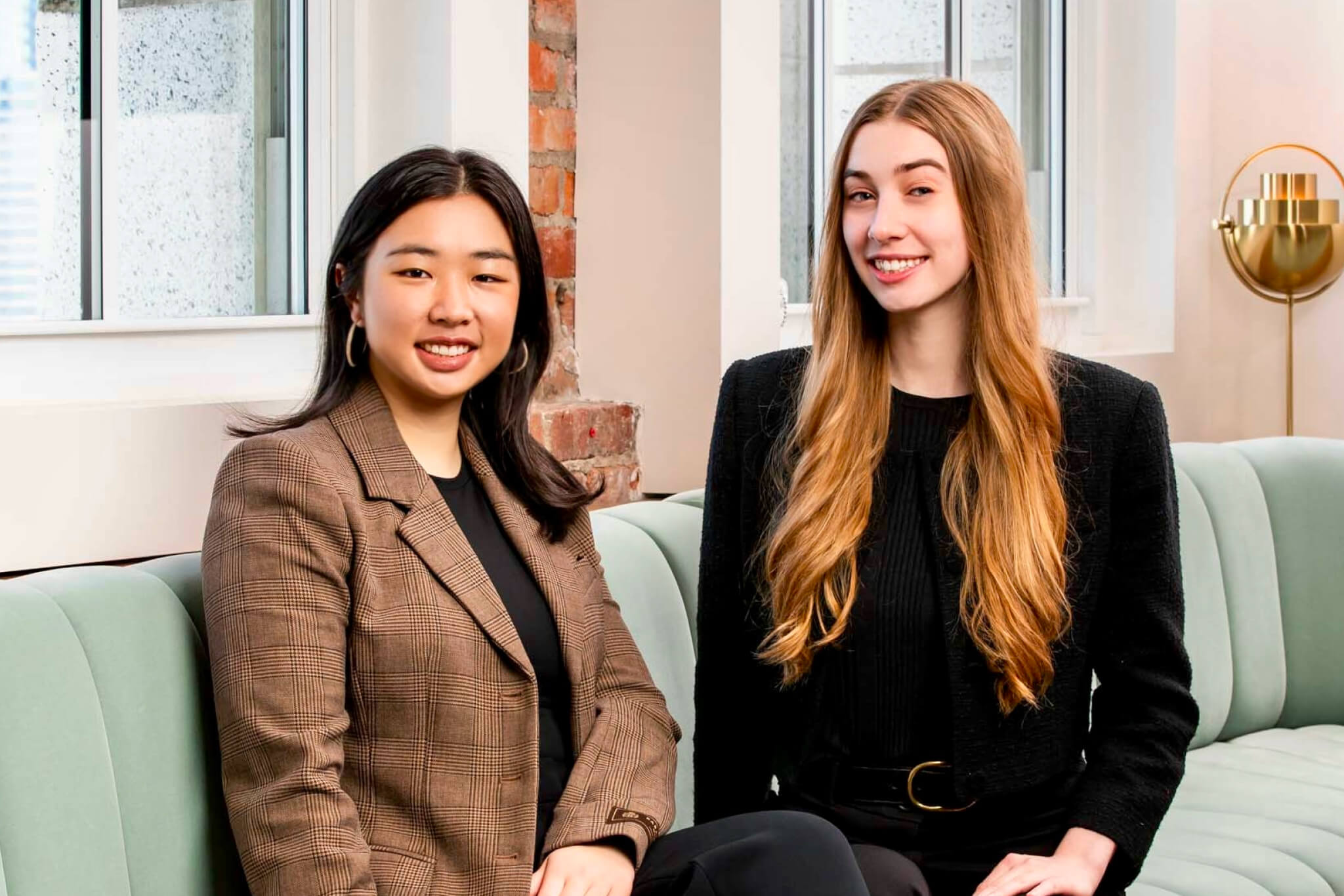
That is what Eva and Catherine are building. From our first meeting with Eva Tuecke and Catherine Yeo, it was clear we were talking to outlier founders. Eva has lived at the frontier of hard science, from particle physics research at Fermilab to building Starlink at SpaceX. Catherine built coding agents at Warp and conducted AI research at IBM, MIT, and Harvard, and grew up in a family of five electrical engineers who worked in the semiconductor industry. Together they bring something rare: AI expertise, deep scientific fluency, and a genuine instinct for what these teams need.
They have moved with a speed since founding that we rarely see at this stage, and customers are already trusting Altara with their most critical workflows. Altara is not being evaluated as another AI tool – it is being pulled into core technical processes and trusted with the kind of high-stakes analysis that these teams have never been able to automate before.
Today Altara is coming out of stealth and announcing that Greylock has led their $7M seed round, alongside Neo, BoxGroup, and Liquid 2 Ventures, and angels including Jeff Dean and leadership at OpenAI and AMD.
The opportunity here is significant. Scientific and industrial data is among the most valuable untapped assets in technology today, and the companies that can unlock it will move faster, discover more, and pull ahead. We believe Eva and Catherine are the right team to build the infrastructure that makes that possible.
If you want to work on one of the hardest and most consequential problems in technology, Altara is hiring at altara.co/careers.
